
THE LIBRARY
Everything I write,
organized.
Five pillars. One plan. Read straight through, or jump around.

What lives here
This is where everything I publish ends up. A few hundred words on a folder you can put together this weekend. A bathroom modification I wish I’d done five years earlier. A list of mistakes I made trying to build a village.
The work is organized into five pillars. Each one is a part of the same plan: staying in your own home, on your own terms, for as long as you can. Read straight through one pillar, or jump around as life pulls your attention.
If you’re not sure where to start, the Independence Assessment will point you somewhere specific in three minutes.
Stories
Not everything I write fits neatly into a pillar. Personal pieces, news I’ve been watching, kitchen-table thinking. The ones that read more like a letter from a friend than a how-to.
READ THE STORIES →
Preparedness
The paperwork nobody wants to do. Wills, directives, the folder that protects the people you love.
OPEN THE PILLAR →
At Home
OPEN THE PILLAR →
Strength
Balance, mobility and the daily habits that keep you in your own home past 70.
OPEN THE PILLAR →
Community
OPEN THE PILLAR →
Technology
The tools that quietly make independence easier without taking it over. Honest reviews of what works and what doesn’t.
OPEN THE PILLAR →
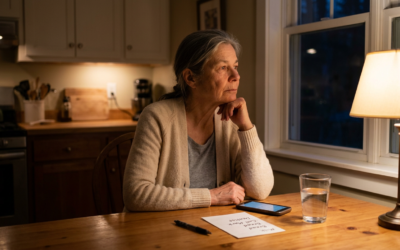
Independent Doesn’t Mean Alone. The Most Prepared People I Know Have Strong Support Networks.
We have gotten independence wrong. We treat it like a solo sport. The person who needs no one. Who does it all herself. Who would rather struggle than ask. We hand each other that picture like it is something to be proud of, and then we are surprised when it leaves...

The Prepared Gap: Why Most People 55+ Have a False Sense of Security, And the 5 Areas to Check This Week
A will is not a plan. A plan is what works on an ordinary Tuesday when something goes wrong. Here are the 5 gaps most people 55+ don’t know they have, and what closing them actually looks like.
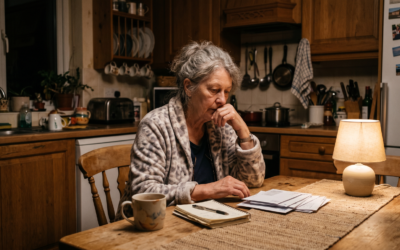
I Thought We Were Prepared. Then My Husband Was in the Hospital for Two Months.
We had wills. We had medical directives. We had an executor. Then my husband was in the hospital for two months and I learned that “prepared” has two parts — and most people only have one.
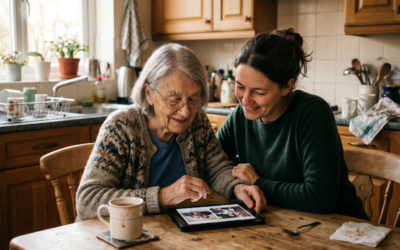
How to Set Up Technology for a Parent Who Doesn’t Trust Technology (A Step-by-Step Guide)
Getting technology to stick for a skeptical parent is less about the device and more about the approach. Here’s what actually works, step by step.
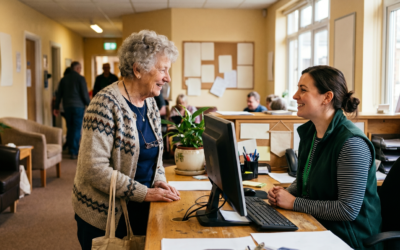
Local Resources for Aging in Place: How to Find What’s Actually Available Near You
More help is available locally than most people realize. Here’s a starting-point guide to finding aging-in-place resources in your own area.
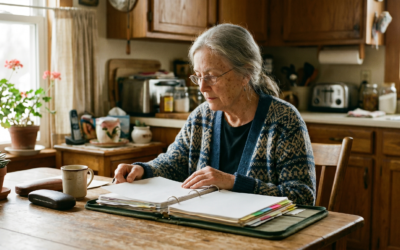
Managing Chronic Conditions While Staying Independent: A Practical Guide
Most people managing chronic conditions can still age in place. What it takes is planning, organization, and a support system built before you need more of it.
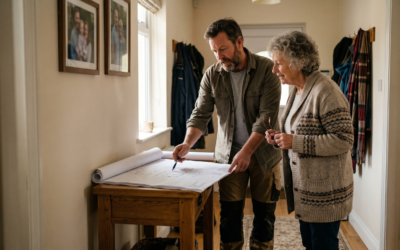
How to Find a Certified Aging-in-Place Specialist (CAPS) — And Why It Matters
A CAPS specialist knows how to modify a home for safety and independence. Here’s what CAPS certification means, what they do, and how to find one near you.

Emergency Preparedness for Older Adults: A Room-by-Room Plan
Most emergency preparedness advice was written for a 35-year-old. Here’s a room-by-room plan designed specifically for older adults who want to stay in their homes.
Medication Management Apps That Actually Work (Tested and Reviewed for Ease of Use)
I looked at the most widely used medication apps for ease of use after 60. Here’s an honest comparison of what works, what’s overly complicated, and what to look for.
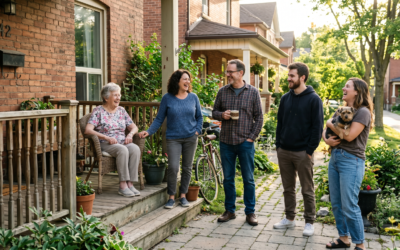
What If Your Neighborhood Could Be Your Safety Net? (The Village Model, Explained)
The Village model is a neighborhood-based network for aging in place. Here’s how it works, why it matters, and how to find out if there’s one near you.
More articles coming.
Want them in your inbox when they land?
Join the newsletter.
Want a faster starting point?
The Independence Assessment scores you across all five pillars in three minutes. You’ll see your strongest pillar, your weakest, and where to begin.